
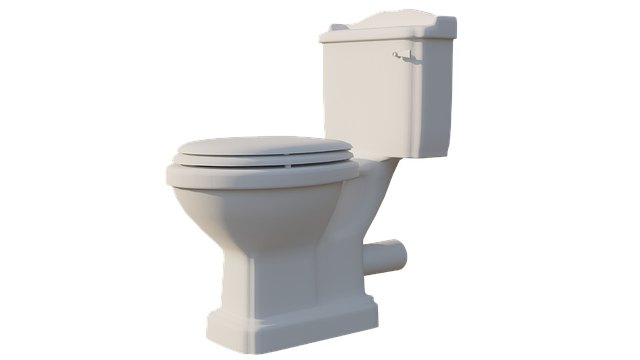
When homes are fuller than usual—whether from visiting family, school breaks, or shared living arrangements—bathrooms tend to work overtime. Toilets, in particular, see increased wear during these periods. As someone who routinely evaluates residential plumbing systems in Bay Area homes, I’ve found that a little preventive care goes a long way in avoiding inconvenient (and costly) problems. Below are practical, professional tips to help keep your toilets functioning properly when demand is high.
Understand the Impact of Increased Use
More occupants mean more frequent flushing, longer daily use, and a higher chance of misuse. In many local homes—especially older properties with original plumbing—components may already be operating near their limits. Extra demand can expose weaknesses like worn flappers, slow refills, or marginal drain performance.
Inspect and Replace Wear Components
Inside the tank, rubber components such as flappers and fill valve seals degrade over time, particularly in areas with mineral-heavy water. A flapper that doesn’t seal properly can waste hundreds of gallons a day and strain the fill valve. These parts are inexpensive and easy to replace, and inspecting them once or twice a year is a smart habit.
Keep the Bowl and Tank Clean (Properly)
Regular cleaning helps prevent mineral buildup and staining, which are common in this region due to hard water. Use non-abrasive cleaners and avoid drop-in tank tablets unless the manufacturer specifically approves them. Many tablets contain chemicals that accelerate rubber deterioration inside the tank.
Be Mindful of What Gets Flushed
High-use periods increase the likelihood that non-flushable items make their way into the toilet. Even products labeled “flushable,” such as wipes, can cause slow drains or blockages over time. Make sure guests know that only toilet paper should be flushed, and provide visible waste bins to reduce temptation.
Watch for Early Warning Signs
Slow refilling, weak flushes, gurgling sounds, or a toilet that runs intermittently are signs that attention is needed. Addressing these early can prevent water damage or backups. In multi-story homes, a toilet issue on an upper floor can affect ceilings or walls below if ignored.
Consider Water Efficiency and Capacity
If your home has older, low-capacity toilets, they may struggle under heavy use. Modern, high-efficiency models are designed to handle higher demand while using less water. Upgrading can improve performance and reduce utility costs, especially in homes with multiple occupants.
Final Thoughts
Toilets are often overlooked until something goes wrong. During busy seasons, routine checks and mindful use can make a significant difference. Maintaining these fixtures protects not only convenience but also the integrity of the plumbing system as a whole. A well-maintained toilet should be quiet, efficient, and reliable—no matter how many people are using it.
Recent Comments