
Homes are never truly silent. Even well-built properties produce a range of sounds as materials respond to daily use, temperature shifts, and age. Understanding these noises can help homeowners distinguish between normal behavior and early warning signs that deserve attention. Listening carefully can often prevent small issues from becoming costly repairs.
Pops, Creaks, and Seasonal Movement
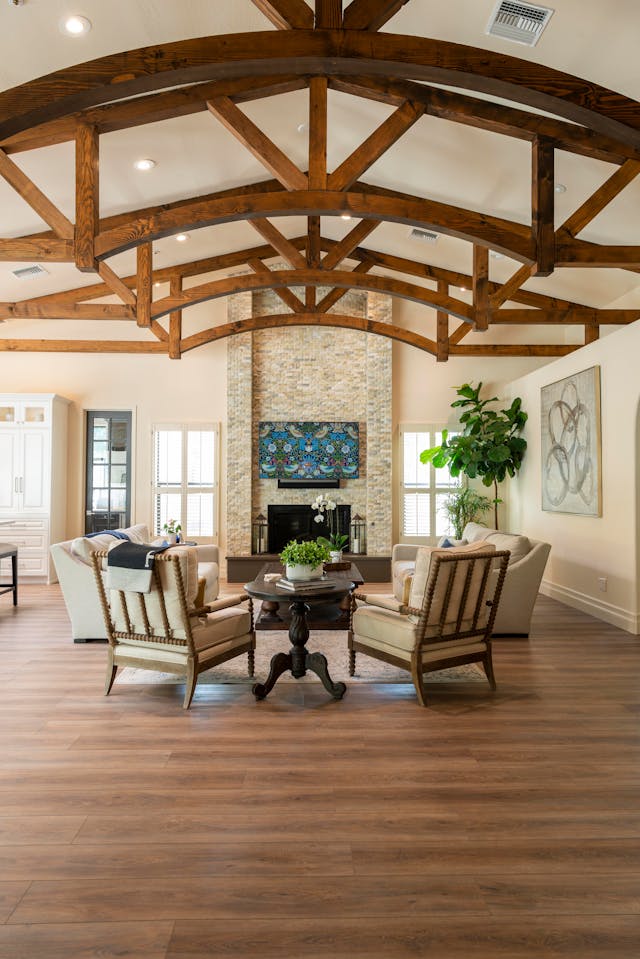
Sharp pops or slow creaks, especially in the early morning or evening, are often tied to temperature changes. Wood framing, floors, and roof components expand as they warm and contract as they cool. In regions with notable daily temperature swings, this movement can be more noticeable. Occasional sounds are expected; however, persistent or increasingly loud cracking may suggest framing stress, improper fastening, or moisture-related movement that should be evaluated.
Footstep Squeaks and Floor Sounds
Squeaky floors are among the most common complaints in residential properties. They typically occur when subflooring loosens slightly from joists or when fasteners rub against wood. While often a nuisance rather than a structural concern, new or worsening squeaks—particularly if accompanied by noticeable floor movement—can point to undersized framing, excess deflection, or moisture intrusion below the surface.
Knocking or Banging Pipes
Plumbing systems have a language of their own. A loud bang when a faucet shuts off quickly is commonly known as water hammer, caused by sudden pressure changes in the pipes. Rattling or tapping within walls may indicate unsecured supply lines. While these issues are usually manageable, ignoring them can lead to joint stress, leaks, or premature wear of plumbing components.
Humming, Buzzing, and Electrical Clues
Electrical systems should operate quietly. A faint hum from a panel or transformer can be normal, but buzzing from outlets, switches, or light fixtures is not. These sounds may indicate loose connections, overloaded circuits, or failing components. Because electrical issues carry inherent risk, unusual noises should be addressed promptly by a qualified professional.
Whistling and Air Movement Sounds
Whistling near windows, doors, or vents often points to air leakage. This can affect comfort, energy efficiency, and indoor air quality. In some cases, it may also suggest improper venting or pressure imbalances in heating and cooling systems. Addressing these issues can improve performance and reduce long-term operating costs.
Scratching and Unexpected Noises
Scratching, scurrying, or faint thumping—especially at night—can signal unwanted wildlife activity in attics, crawlspaces, or walls. These sounds should never be dismissed, as animals can damage insulation, wiring, and ventilation paths.
A well-maintained home will still make noise, but the key is consistency and change. Sounds that are new, growing louder, or paired with visible symptoms deserve closer attention. Treating your home like a system that communicates through subtle cues can help preserve its safety, comfort, and long-term value.
Recent Comments