
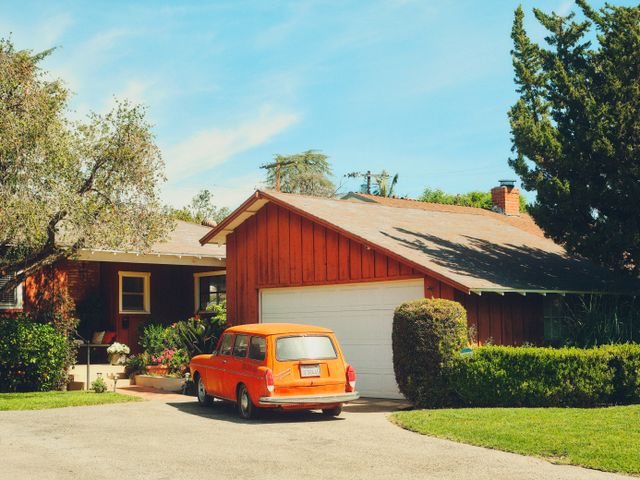
San Jose has a wonderfully varied collection of homes. Drive through different neighborhoods and you can find charming mid-century houses, classic California ranches, older bungalows, Spanish-inspired homes, and newer construction—all reflecting the way Silicon Valley has grown and changed over the decades.
Every home style has its own character, but each also comes with maintenance concerns worth understanding.
🏡 California Ranch Homes
Ranch-style homes are a familiar sight throughout San Jose, particularly in neighborhoods developed during the postwar building boom. Their single-story layouts, attached garages, and relatively simple designs remain popular.
Common issues: Aging roofs, deteriorated exterior trim, original windows, plumbing leaks, and electrical components can become concerns in older ranch homes. Slab foundations are also common, making drainage and signs of movement important areas to monitor. Landscaping that slopes toward the house can create additional moisture problems.
🌿 Mid-Century Homes
San Jose has many homes dating from the 1950s through the 1970s. These properties often feature practical floor plans, large windows, open living areas, and generous yards.
Common issues: Original materials may be nearing or beyond their expected service life. Older electrical systems, aging water heaters, outdated plumbing, roof deterioration, and poor attic ventilation are common things to keep an eye on. Some remodeling projects may also have been completed without adequate attention to current building standards.
🏠 Bungalows and Older Cottages
Smaller bungalows and cottage-style homes can be found in some of San Jose’s older neighborhoods. Their compact layouts and distinctive architectural details give them plenty of charm.
Common issues: Homes from this era may have experienced decades of repairs, alterations, and additions. Uneven floors, foundation concerns, aging sewer lines, deteriorated siding, moisture damage, and outdated electrical systems deserve attention. Older windows and doors can also contribute to energy loss and water intrusion.
🧱 Spanish and Mediterranean-Inspired Homes
Stucco exteriors, tile roofs, arched openings, and decorative details are common features of Spanish and Mediterranean-influenced California homes.
Common issues: Stucco itself is durable, but cracks and poorly maintained transitions around windows, doors, and rooflines can allow water behind the exterior finish. Tile roofs can last for many years, but cracked or displaced tiles and deteriorated underlayment can still lead to leaks.
🏘️ Newer Construction and Townhomes
San Jose’s continued development has brought newer single-family homes, townhomes, and more compact residential communities.
Common issues: Newer does not necessarily mean perfect. Drainage, grading, window and door installation, roof flashing, attic ventilation, plumbing connections, and exterior sealants should all receive attention. In townhomes, understanding which components are maintained by the homeowner versus the association can also be important.
☀️ A California-Specific Concern: Water and the Sun
San Jose’s climate creates a different maintenance environment than wetter parts of the country. Prolonged sun exposure can cause roofing materials, sealants, paint, wood, and other exterior components to deteriorate. At the same time, California’s seasonal rainfall means that drainage and roof performance still matter when the wet weather arrives.
Earthquake considerations are another important part of owning an older California home. Depending on the property’s age and construction, homeowners may want to understand how the structure has been maintained or retrofitted.
The San Jose Bottom Line
The architectural style tells only part of the story. Age, construction methods, previous remodeling, drainage, maintenance, and California’s climate all influence how a home performs.
Whether it is a 1950s ranch, a charming bungalow, a Spanish-style house, or a brand-new townhome, regular maintenance and early attention to small defects can help protect the home and prevent manageable issues from becoming major repairs.
Recent Comments