
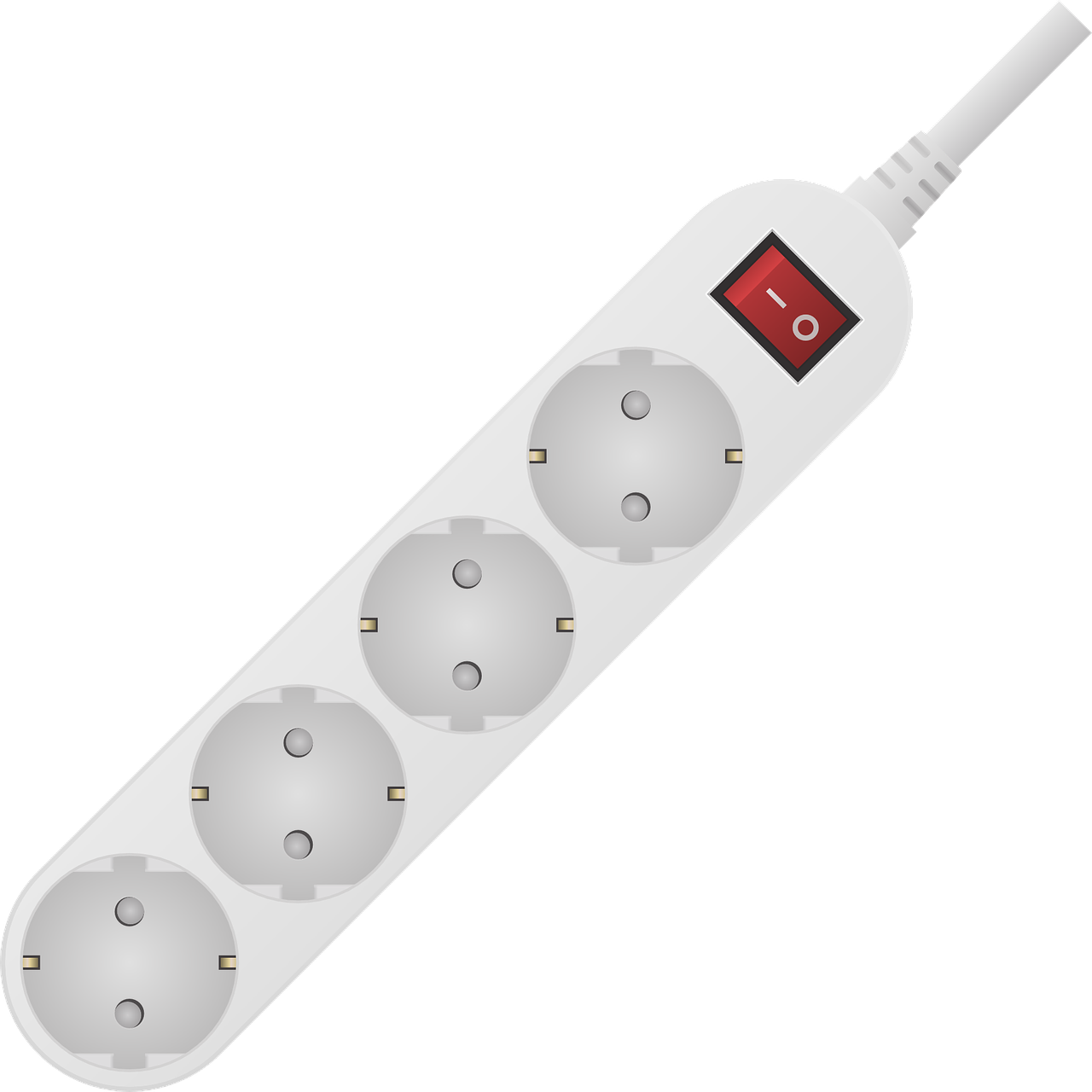
Power strips make it easy to connect multiple electrical devices in one convenient location. From home offices and entertainment centers to bedrooms and living rooms, they offer a simple solution when wall outlets are limited. However, convenience should never come at the expense of electrical safety.
Knowing how to select, use, and maintain a power strip can help reduce avoidable hazards around the home.
🔌 1. Pay Attention to Electrical Load
Every power strip has a maximum electrical capacity. Connecting too many devices or equipment that draws excessive power can overload the strip and cause dangerous heat buildup.
Appliances such as portable space heaters, toasters, and microwaves typically require a dedicated wall outlet rather than an ordinary power strip. Always follow the appliance manufacturer’s instructions and check the power strip’s rating before connecting equipment.
Safety reminder: Warm plugs, unusual heat, or a burning odor should never be ignored. Disconnect the equipment if it is safe to do so and investigate the cause before using it again.
⚡ 2. Keep Electrical Connections Simple
Plugging one power strip into another may seem like an easy way to gain extra outlets, but this practice can increase the likelihood of overloading the electrical supply.
Power strips should be connected directly to suitable wall outlets, not linked together or used with extension cords unless the manufacturer’s instructions specifically permit the arrangement.
If a room consistently lacks enough outlets, consult a qualified electrician about a safer, permanent solution.
💧 3. Be Careful Where You Place Them
Location matters just as much as electrical capacity. Keep power strips in dry, well-ventilated areas where accidental spills, plumbing leaks, or condensation cannot reach them.
Avoid placing them beneath sinks, beside aquariums, or in damp areas without equipment specifically rated for those conditions. Keep cords clear of doorways and avoid trapping them beneath rugs or heavy furniture.
🔍 4. Look for Warning Signs
An occasional inspection can help identify problems before they become more serious.
Watch for:
- Cracked plastic or damaged electrical cords.
- Plugs that fit loosely in the receptacles.
- Burn marks, melting, or unusual discoloration.
- Crackling sounds, sparks, or a persistent burning smell.
Discontinue use of a damaged strip and replace it. If a wall outlet is hot, scorched, or producing a burning odor, stop using it and contact a qualified electrician.
🛡️ 5. Know What You Are Buying
Choose a power strip with an appropriate electrical rating and recognized safety certification, such as UL or ETL. For valuable electronics, consider a surge protector designed to help protect equipment against voltage spikes.
Keep in mind that a basic power strip and a surge protector are not the same thing. Neither should be considered a substitute for proper wiring, grounding, or other required electrical protection.
A Safer Home Starts With Small Checks
Power strips are useful when selected and used correctly, but they cannot replace a properly designed electrical system. Avoid overloading connections, keep equipment dry, check for damage, and address warning signs promptly.
When it comes to electrical safety, a little attention can go a long way toward protecting your home and the people in it.
Recent Comments