
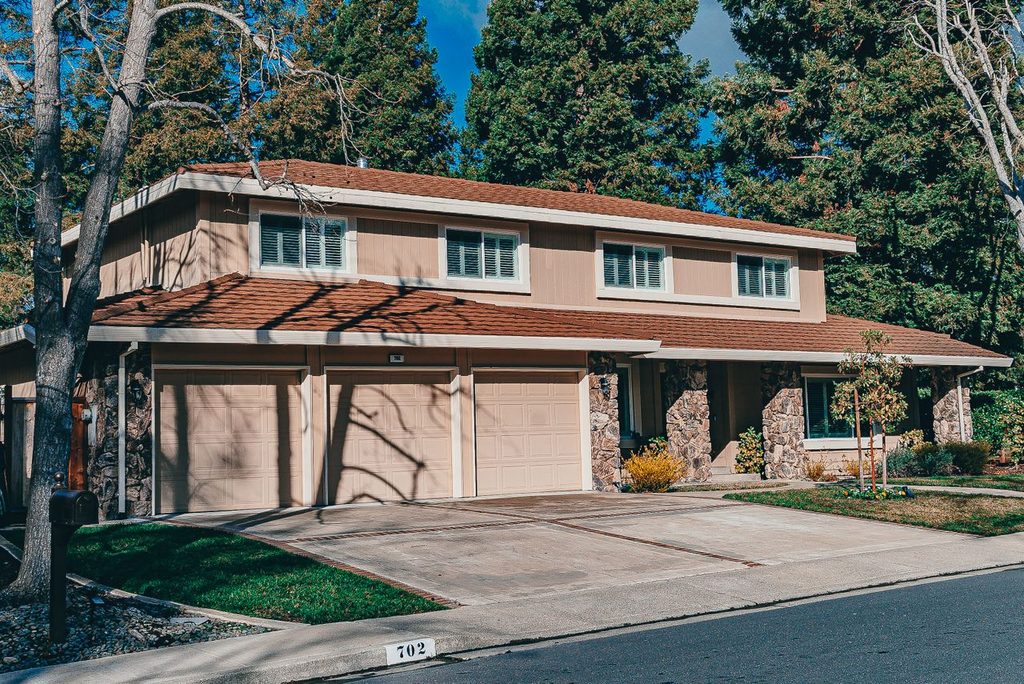
An “As Is” home listing can offer an opportunity for buyers, but it also comes with important considerations. Understanding what to expect before making an offer can help prevent costly surprises down the road.
When browsing homes for sale, you may come across a property advertised as being sold “As Is.” The wording can sound a little intimidating, particularly if you’re unsure what it means for the condition of the home or your responsibilities as a buyer.
So, what exactly should you expect?
What Does “As Is” Actually Mean?
When a home is listed “As Is,” the seller is generally indicating that they intend to sell the property in its present condition and are not agreeing to make repairs or improvements as part of the sale.
This could mean anything from outdated kitchens and worn flooring to aging roofing, plumbing concerns, electrical deficiencies, or more significant structural issues.
However, “As Is” does not mean “no inspections necessary” or “no seller disclosures required.” California sellers generally still have legal disclosure obligations, including disclosing known material facts about the property’s condition, subject to applicable exemptions.
Is It Still Necessary To Get a Home Inspection?
Absolutely! In fact, an independent home inspection is especially valuable when purchasing an “As Is” property.
A professional inspection can help identify visible concerns involving:
- Roofing: Signs of deterioration, damaged materials, or potential water intrusion.
- Foundation and structure: Visible cracking, movement, or other concerning conditions.
- Plumbing: Leaks, drainage concerns, and aging or damaged components.
- Electrical: Potential safety concerns, outdated components, and visible deficiencies.
- Heating and cooling: Equipment condition and apparent operational problems.
- Moisture: Signs of water intrusion, elevated moisture, or conditions conducive to wood-destroying organisms.
Keep in mind that a home inspection is a visual, non-invasive evaluation of accessible areas. It is not a guarantee against hidden defects or future problems.
What About Repairs and Negotiations?
An “As Is” listing does not automatically prevent a buyer from requesting repairs, credits, or a price adjustment after reviewing inspection findings. However, the seller is generally not obligated to agree.
Some sellers may consider reasonable requests, while others may prefer to proceed without making concessions.
A Word About Older Homes in San Jose
Many homes throughout San Jose and surrounding communities were built decades ago. Older properties may have aging plumbing, electrical systems, roofing materials, drainage issues, or previous repairs that deserve closer attention.
A thorough inspection can help buyers better understand what they are purchasing and which issues may require further evaluation by qualified specialists.
The Bottom Line
Buying an “As Is” home doesn’t necessarily mean buying a problem property. It means understanding the condition of the home, recognizing potential expenses, and making an informed decision.
The best approach? Never let the words “As Is” discourage a closer look. Know what you’re buying before you sign on the dotted line.
Recent Comments