
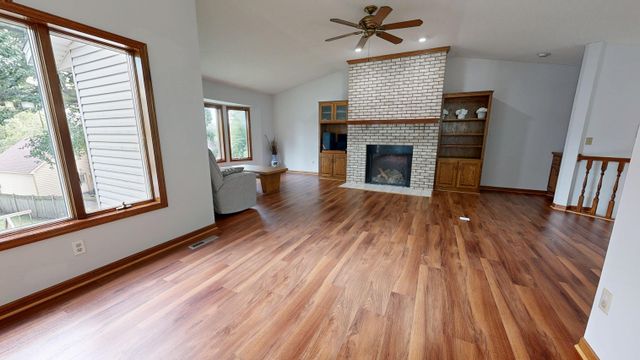
Walk into certain homes and the scent is unmistakable. Many people describe it as an “old house smell”—a musty, stale odor that seems to come with age. While it’s easy to assume the home itself is responsible, the truth is far more interesting. Age alone doesn’t create odors. Instead, that familiar smell usually points to a combination of moisture, materials, and indoor air conditions that have developed over time.
Moisture Is Usually the Biggest Contributor
The most common source of an old house smell is lingering moisture. Even small amounts of dampness hidden beneath flooring, inside wall cavities, around crawl spaces, or in basements can encourage mold and mildew growth. These organisms release microbial volatile organic compounds (MVOCs), which often produce the earthy, musty odor people associate with older homes.
The important takeaway is that mold doesn’t have to be visible to affect indoor air quality. Sometimes the only noticeable clue is the smell.
Building Materials Can Hold Odors for Years
Many construction materials naturally absorb and retain odors. Wood framing, plaster, insulation, carpeting, and even drywall can trap moisture and airborne particles over decades. If the home has experienced roof leaks, plumbing problems, or repeated periods of high humidity, those materials may continue releasing odors long after the original issue has been repaired.
Older homes also tend to have accumulated years of cooking residue, tobacco smoke, pet odors, and everyday living, all of which can become embedded in porous surfaces.
Limited Airflow Makes Things Worse
Homes that remain closed up for long periods often develop stale indoor air. Poor ventilation allows humidity, dust, and airborne contaminants to linger instead of being exchanged with fresh outdoor air.
This doesn’t necessarily indicate a serious problem, but when stale air combines with moisture and odor-absorbing materials, the result is the classic smell many people mistakenly blame on the home’s age.
It’s Not Always Mold
Although mold is frequently involved, it isn’t the only possibility. Dust accumulation, aging HVAC systems, damp crawl spaces, improperly vented bathrooms, deteriorating insulation, and even long-unused plumbing fixtures can all contribute to unpleasant indoor odors.
Because several conditions can produce similar smells, identifying the true source is far more valuable than simply masking it with air fresheners or scented candles.
What the Smell Is Really Telling You
An unusual odor should be viewed as useful information rather than an unavoidable characteristic of an older property. It may signal excess humidity, inadequate ventilation, deferred maintenance, or hidden moisture that deserves closer attention. Addressing the underlying cause typically improves not only the smell but also the home’s overall indoor environment.
The bottom line is simple: houses don’t smell old because they’re old. They smell old because of what has happened inside them over the years. Understanding the difference helps homeowners focus on solving the actual problem instead of accepting the odor as a normal part of an aging home.
Recent Comments